

Vipassana – A journey to the Sacred Land within myself

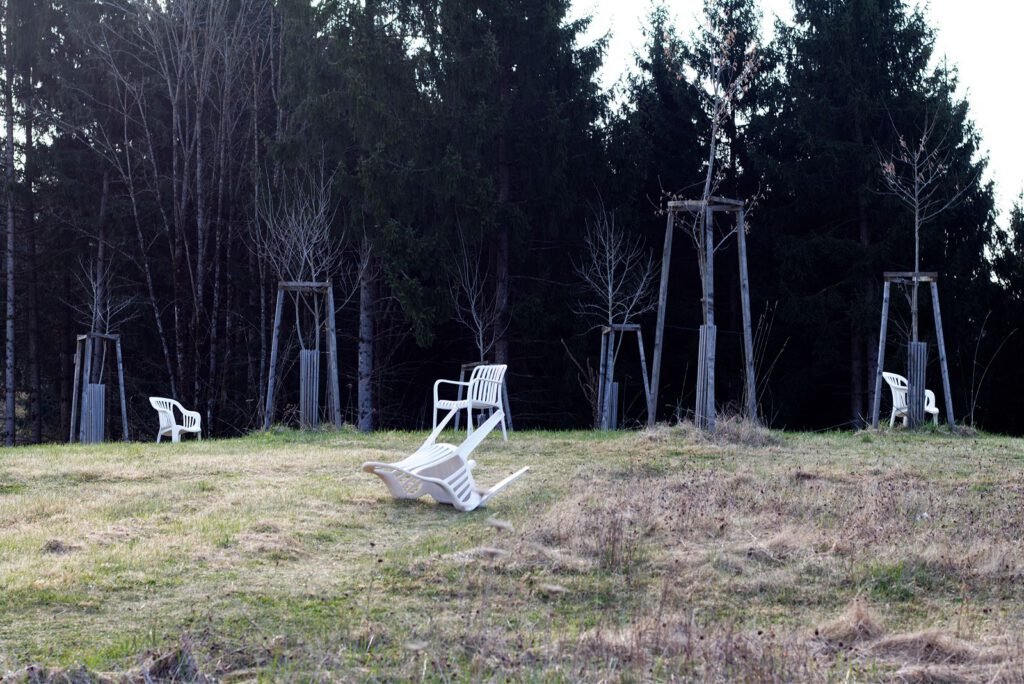
Women’s garden at the Vipassana center in Rechberg, Austria
My second Vipassana journey took place in Rechberg, Austria, in March 2026.
As challenging as my first Vipassana experience was – about a year and a half prior – this time I found myself in a very different place within. I prepared not only psychologically, but also physically, through small yet significant changes in my daily life. The most notable one was abstaining completely from sex for over half a year. In the context of Vipassana, this allows the meditator to go much deeper into the practice.
This time, I felt genuine joy when thinking about the retreat. Every time it crossed my mind, a warm feeling would embrace my heart – I took that as a good omen.
I began the trip from Kraljev Vrh, where Sonja lives, and where Miljana had arrived a day earlier from Novi Sad. She was our chauffeur to the Dhamma center in Austria. Both of them are about 20 years older than me, yet I never felt the age gap. We clicked instantly – it honestly felt like I had known them my whole life.
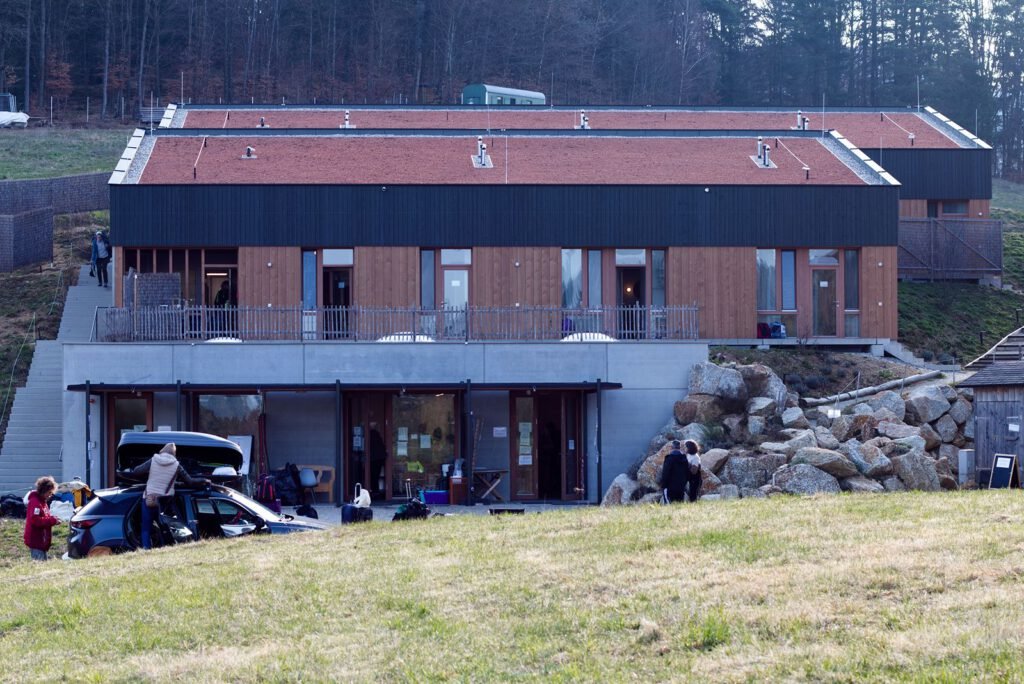
Dining hall and residential quarters
Once we arrived at the Vipassana center, the protocol was clear: we surrendered all devices and valuables, and after a light dinner, the first meditation began. From that moment on, we followed the strict rules of Vipassana – complete silence, no eye contact with other participants, and around 10 hours of meditation a day, starting at 4:30 AM.
Vipassana is a technique passed down through the teachings of Buddha – born Siddhartha Gautama – who, despite being raised in great financial wealth, came to understand that true richness is not material. It is said that while meditating under a Bodhi tree, Vipassana was revealed to him, along with the concept of Dhamma – the universal law – explaining that all evil originates in the mind, and that by practicing Vipassana, it is possible to eradicate it. The practice is centered on the purification of the mind. And while the practice itself may initially seem almost banal, committing to it soon reveals otherwise.
The structure of a 10-day Vipassana course is the same everywhere in the world. Even though this was my second time, in a completely different country than Italy, there was something unmistakably familiar – a kind of “Vipassana vibe” that remains constant.
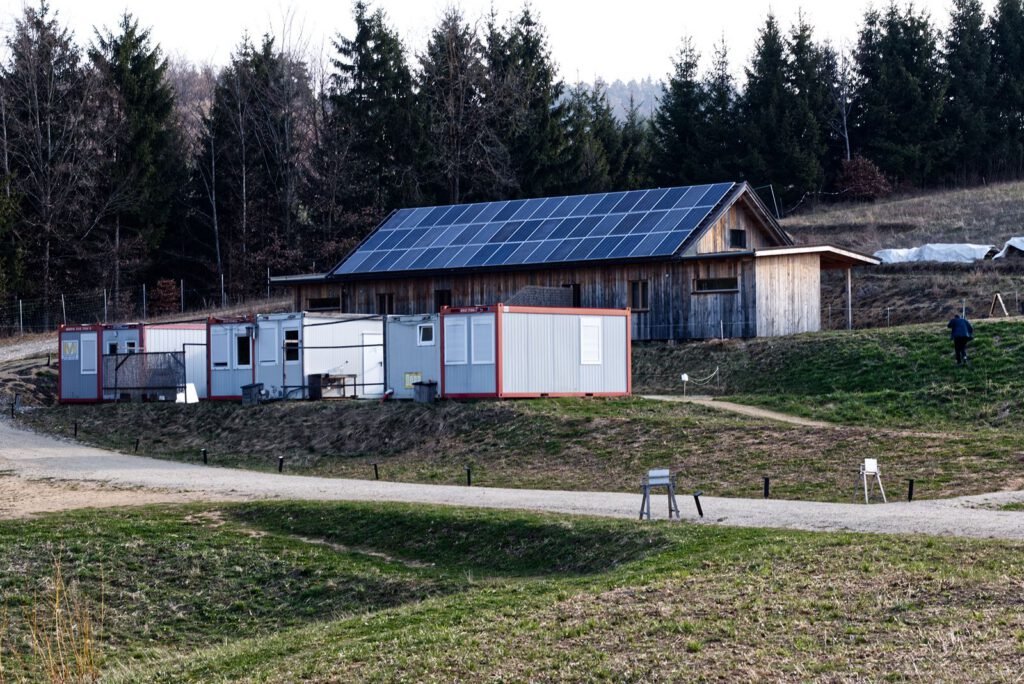
Meditation hall
As an old student, my practice this time differed slightly from that of newcomers. I began Vipassana itself much earlier, skipping most of the Anapana phase – the introductory practice focused on the breath and a small area of the body.
I went in thinking it might be a piece of cake. The facility was new, comfortable, beautifully equipped, and the weather was perfect. It seemed like the ideal setting to devote myself fully to the practice.
But Vipassana is not a gentle technique. The structure is designed in such a way that a practitioner can enter a deep inner crisis in a relatively short time – not to suffer, but to learn how to let go – bad and good, as they both generate suffering. It’s a training in one of the greatest teachings we can receive. It’s incredibly difficult to put into words what one goes through during Vipassana. The experience is deeply personal, yet it offers something universal – the opportunity to face yourself in a way that everyday life rarely allows. If I had to compare it to something, it’s almost like in Fight Club – except instead of fighting Brad Pitt in his most attractive form, you’re confronting yourself, over and over again. And even though you know it’s you, you still can’t stop the fight.
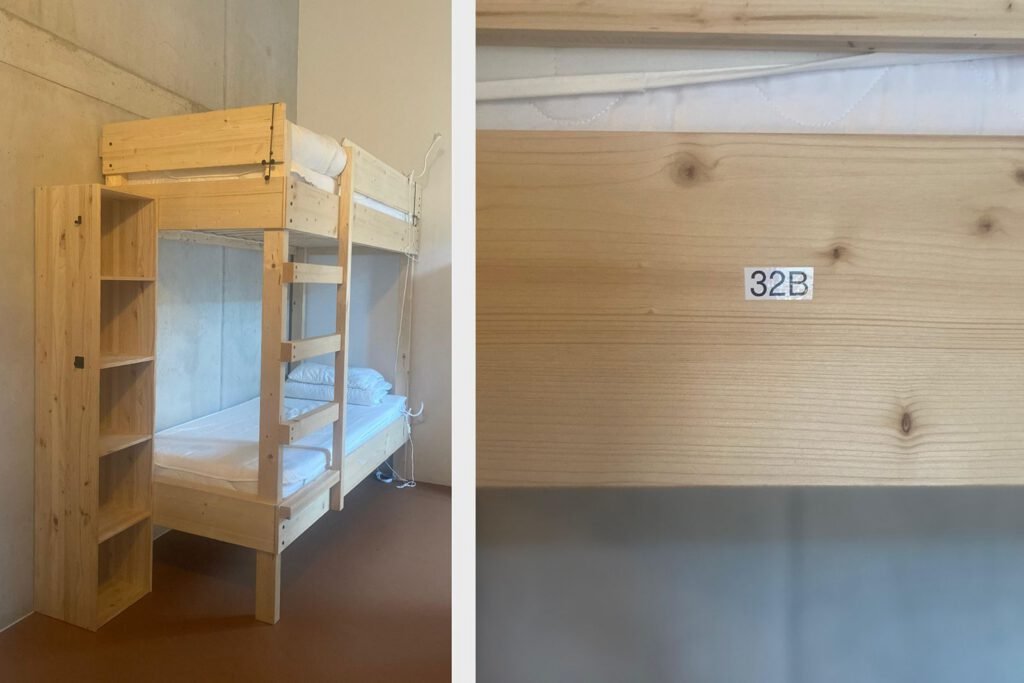
My room and bed number
Before the retreat, I made one promise to myself: I would approach it with curiosity and lightness, like a child at play. My mantra was, “I’m curious to see what will happen” – without expectations or a fixed outcome.
In our everyday lives, no matter what we go through, we find ways to soothe ourselves – whether it’s a glass of wine, exercise, or even binge-watching a TV show. But the underlying aim is often the same: to “forget” the pain that is occupying our system. There’s something I like to call the “Vipassana state” – a state that’s hard to compare to anything else. Going inward is no joke. And to be clear, before my first retreat, I had already done a tremendous amount of inner work with Healers and Shamans from around the world. But this state… it’s something else. It’s where “Know thyself” begins to take on real meaning. The phrase we remember from The Matrix, written above the Oracle’s door, actually originates from ancient philosophy and aligns deeply with Buddhist practice: to heal yourself, you must first truly see what’s within.
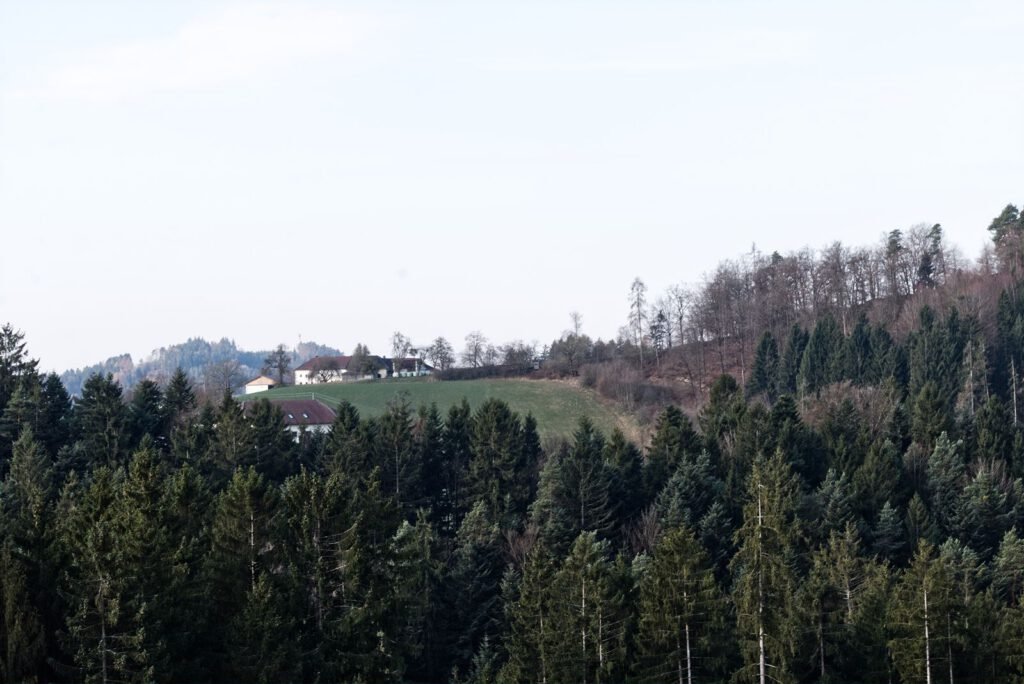
View from the garden
Vipassana is designed to break you. Limited food, near sleep deprivation, long meditation sessions, no talking, and no eye contact – these conditions make you “weaker” than you are in your everyday life, but also reveal a direct path to your deepest parts, where all your pain lies buried. That reminds me of the “Montagne Russe” at Gardaland, when the roller coaster suddenly accelerates and there’s nothing you can do about it. It’s a metaphor for when your subconscious rises on its own terms – you can only surrender to the ride, because there’s no other choice.
So, I also came face to face with my utter, most dreaded fears, and this time I had very little room to hide anywhere. I fell into a deep crisis – so deep that I was reliving all my biggest nightmares as if they were real. From around day six, I felt like I was constantly on the edge of collapse. My motor skills were limited. And strangely, that edge allowed me to go even deeper. Like a drill rig – it goes deep, but only with immense force. I trusted the process completely. I knew I was safe. I knew I was supported. But in those moments, I kept asking myself: what is actually hard? What makes it feel so hard? I was in a beautiful place. People were working there pro bono – including the teachers – so that meditators like me could practice and heal. I had shelter, food, safety, support. My only job was to sit on a cushion and meditate.
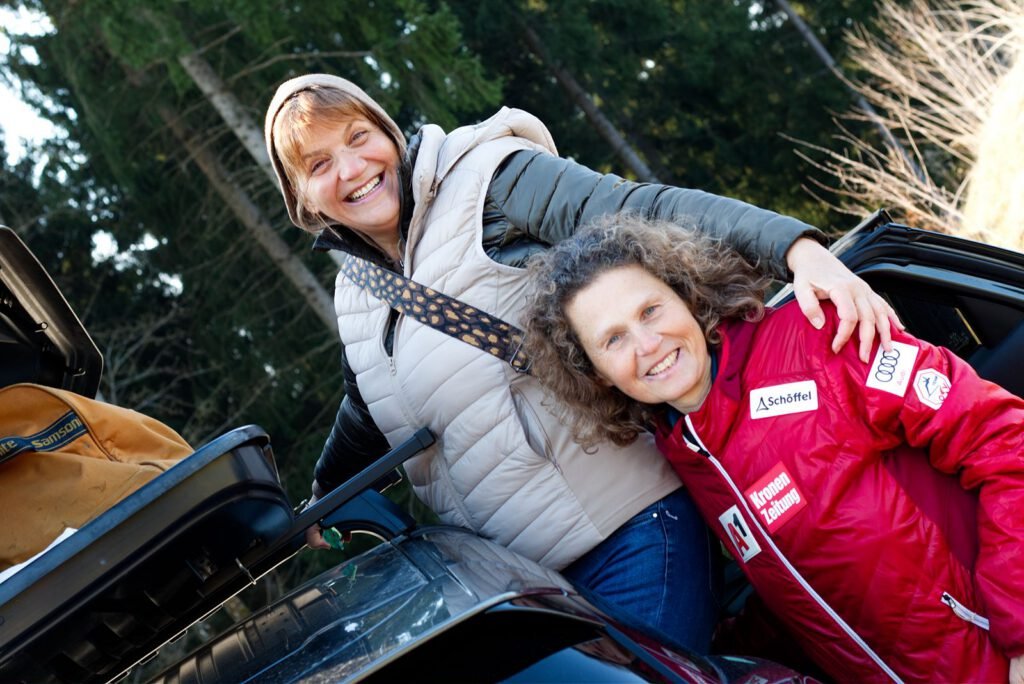
Miljana and Sonja
Was it ugly? Absolutely.
Will I go again? Without a doubt.
So why choose something so intense, so draining?
Because I’ve learned to recognize the sanctity of crisis – not as punishment, but as an opportunity to not only face myself, but to see my pain for what it truly is – a path to the essence of who I truly am – Immense Love.
